Beyond the Cage: How Latin American Zoos Are Evolving into Entertainment & Media Powerhouses
Why is there such a heavy investment in media content? Because Latin American zoos face unique economic pressures. Entry fees are often a barrier for lower-income families. To survive, zoos must become omnipresent in free digital spaces.
To maintain engagement outside of physical gates, Latin American zoos have transformed into active digital media production houses. They create highly shareable, localized content tailored to regional platforms. Short-Form Video Production
Should the focus lean more toward or traditional broadcast media ? Share public link
A defining characteristic of media content produced by Latin American zoos is its deep integration with local culture, folklore, and indigenous knowledge. Blending Folklore with Science
Visitors walking the physical trails used AR headsets that overlaid the lush Colombian foliage with "Ghost Habitats." As they approached the Harpy Eagle enclosure, the media interface would trigger a 3D cinematic reconstruction of the eagle’s hunt in the canopy, narrated by local indigenous elders. This blended oral history with modern spectacle, turning a zoo visit into a lived documentary. The Virtual Zoo
MichiganView is a consortium of academic member institutions dedicated to promoting the use and advancing the science of remote sensing technologies in Michigan schools, governments, and industries. MichiganView coordinates programs and services that emphasize remote sensing education, training, and research.
As a state member of AmericaView, MichiganView is part of a nationwide partnership that connects the work of innovative remote sensing scientists and educators from around the country. AmericaView is funded by a grant from the U.S. Geological Survey.
For more information on the AmericaView program, please visit AmericaView.org.
For a map of the state consortium members, please visit AmericaView membership map for more information.
Beyond the Cage: How Latin American Zoos Are Evolving into Entertainment & Media Powerhouses
Why is there such a heavy investment in media content? Because Latin American zoos face unique economic pressures. Entry fees are often a barrier for lower-income families. To survive, zoos must become omnipresent in free digital spaces.
To maintain engagement outside of physical gates, Latin American zoos have transformed into active digital media production houses. They create highly shareable, localized content tailored to regional platforms. Short-Form Video Production
Should the focus lean more toward or traditional broadcast media ? Share public link
A defining characteristic of media content produced by Latin American zoos is its deep integration with local culture, folklore, and indigenous knowledge. Blending Folklore with Science
Visitors walking the physical trails used AR headsets that overlaid the lush Colombian foliage with "Ghost Habitats." As they approached the Harpy Eagle enclosure, the media interface would trigger a 3D cinematic reconstruction of the eagle’s hunt in the canopy, narrated by local indigenous elders. This blended oral history with modern spectacle, turning a zoo visit into a lived documentary. The Virtual Zoo
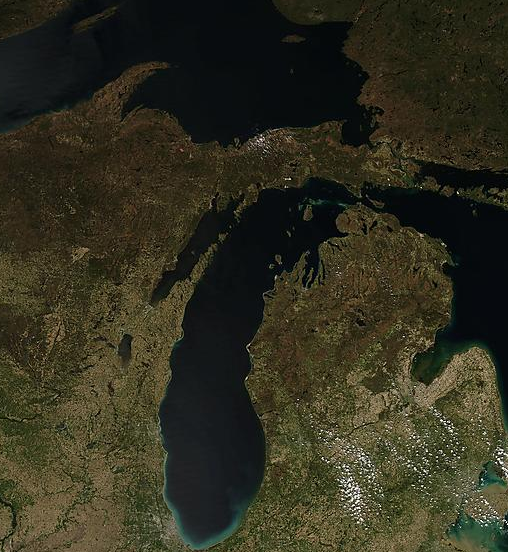
This link contains information on images generated from the MODIS sensors on NASA's Aqua and Terra satellites dating back to December 2008. There are multiple types of images available.
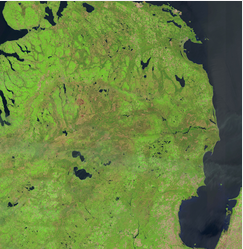
Beginning with the launch of Landsat 1 in 1972, Landsat holds the world record for continuous space-based image acquisition. This page contains links for imagery from Landsat 5, 7, and 8, as well as a calendar showing the dates when the satellites will pass over Michigan. zooporn the latin american zoo
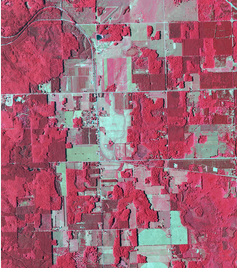
Administrated by the U.S. Department of Agriculture's Farm Service Agency (FSA), NAIP imagery is collected during the agricultural growing season for leaf-on aerials. This page includes imagery for each county in Michigan and includes both natural color and color infrared (CIR). Beyond the Cage: How Latin American Zoos Are
The Great Lakes Border Flight Imagery includes imagery from 2008-2009 encompassing the Great Lakes borders. This dataset is made up of natural color orthoimages, which contain geographic data representing actual ground measurements and coordinates. To survive, zoos must become omnipresent in free
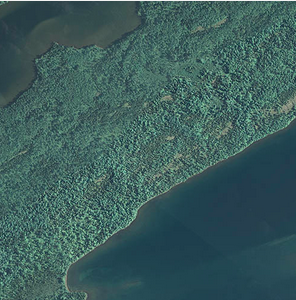
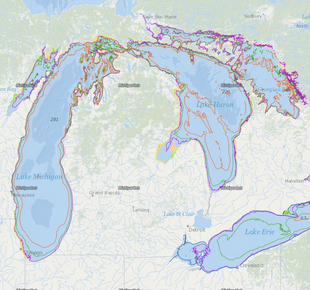
This page includes a number of online environmental maps developed by MTRI and other organizations. Examples include water quality, invasive wetland species, and submerged aquatic vegetation.