INFORMATION
2025/12/04
The update patch ver. 1.3.0 for the Nintendo Switch version is now available.
[Main update contents]
・Added current events conversations for October 2022 to April 2025
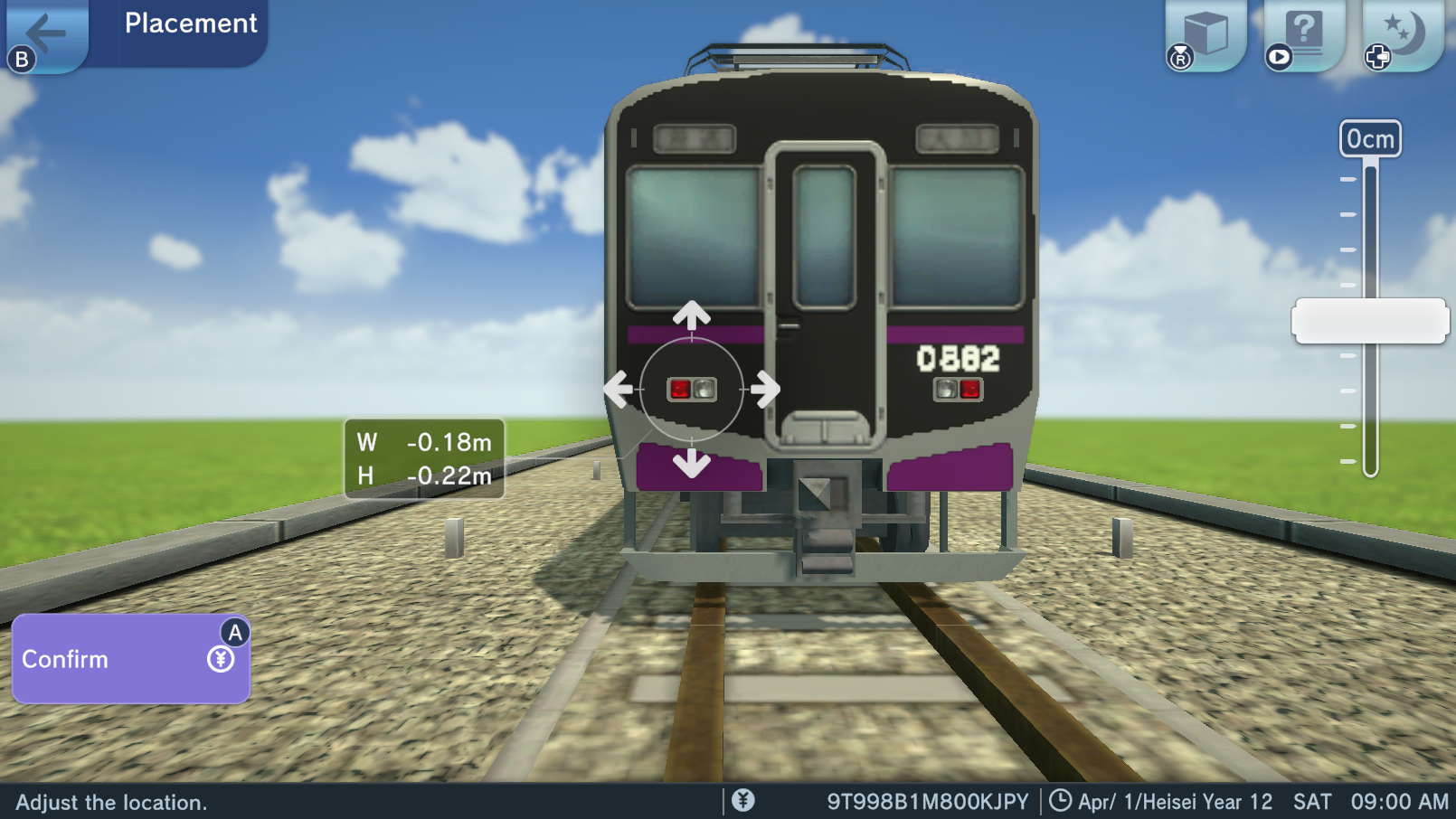
・Added “Both (facing/opposite)” pantograph option for train customization
・Changed so options can be set from the title screen and early in the tutorial
*Please note that scenario additions are in Japanese only.
You can watch it on YouTube, with English subtitles!
Domestika - Logo Design - From Concept To Prese... [top] File
: The final graphic must match the psychological energy, focus, and strategic trajectory of the client's business. Phase 1: Decoding the Client and Deconstructing the Brief
The instructor warns: "If you don't tell the client how to use the logo, they will misuse it." Domestika - Logo Design - From Concept to Prese...
: Sagi Haviv, a New York-based designer who has worked on visual identities for brands like the US Open, Harvard University Press, and Conservation International. : The final graphic must match the psychological
Dietary habits are deeply tied to culture. A vast number of Indians are lacto-vegetarian due to the Jain and Hindu principle of Ahimsa (non-violence). The traditional way of eating—sitting on the floor, eating with the right hand, and using a banana leaf as a plate in the south—is not just about food but about mindfulness, grounding the body, and engaging all five senses. Modernity has introduced fast food and global cuisine, yet the tiffin system (dabbawalas delivering home-cooked lunches to office workers in Mumbai) survives as a testament to the Indian preference for fresh, home-cooked meals over processed substitutes. A vast number of Indians are lacto-vegetarian due
Domestika - Logo Design - From Concept To Prese... [top] File
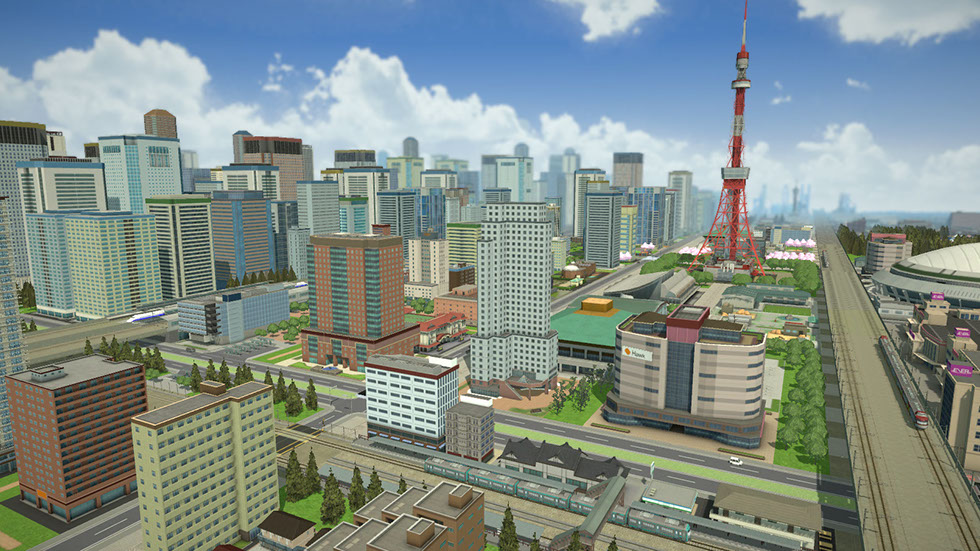
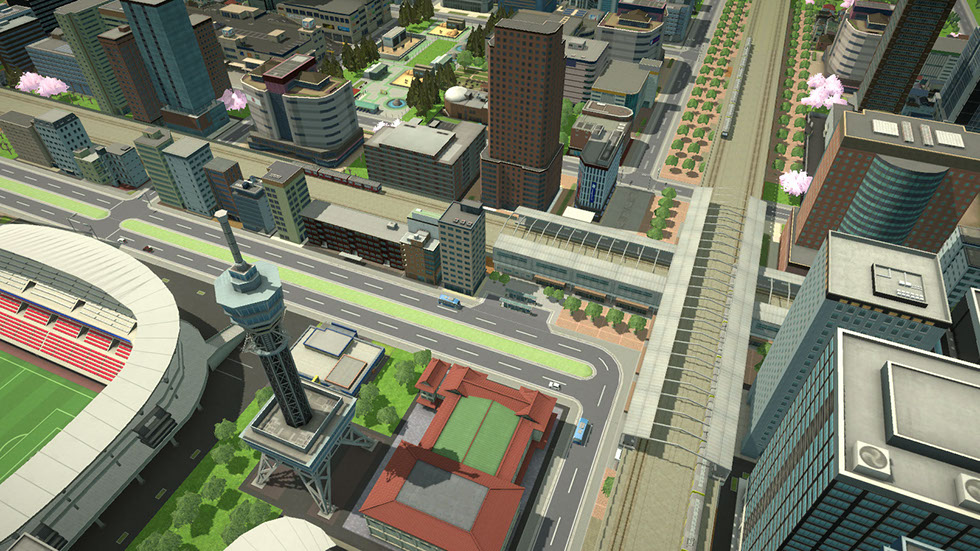
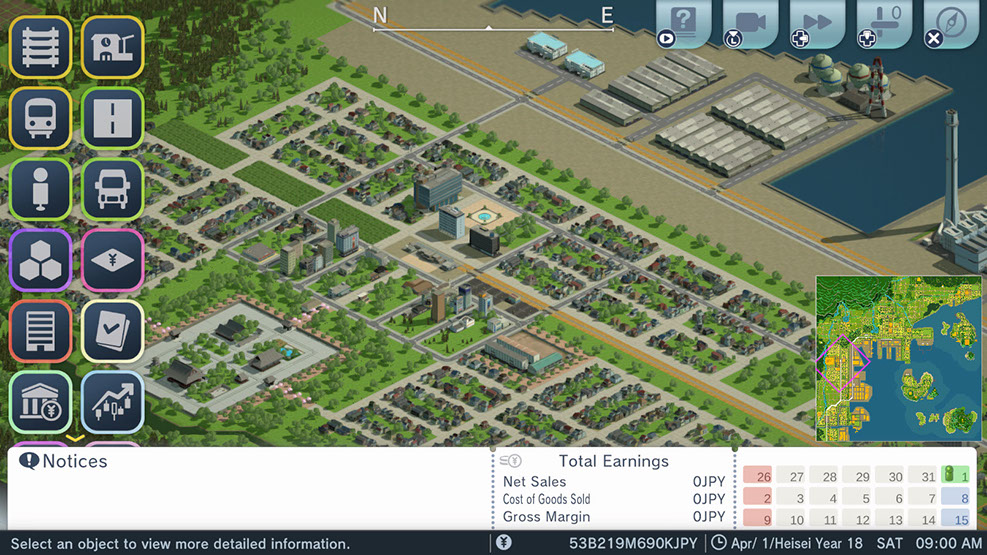
A-Train: All Aboard Tourism is a business simulation game
in which you use the railroad to help towns develop.
In the world of A-Train,
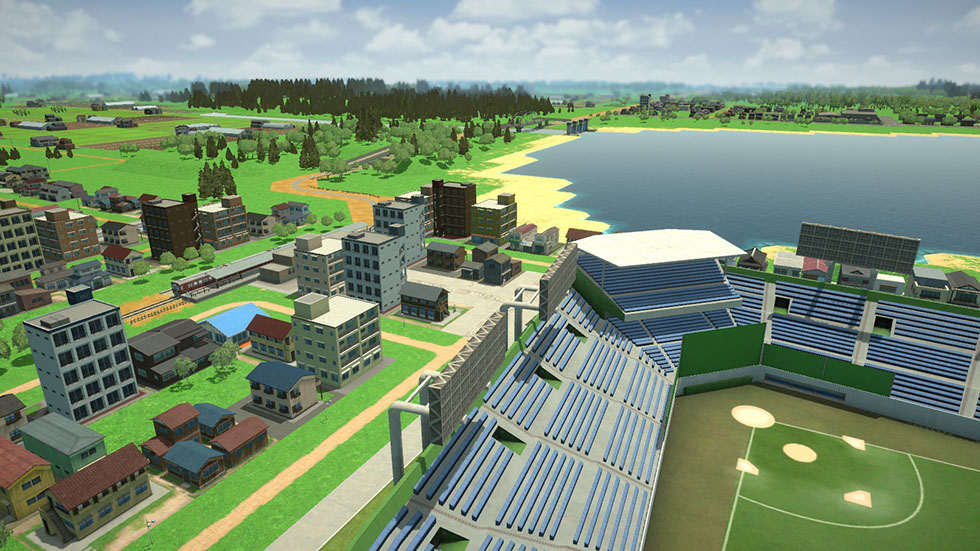
people gather around stations, gradually developing the surrounding town.
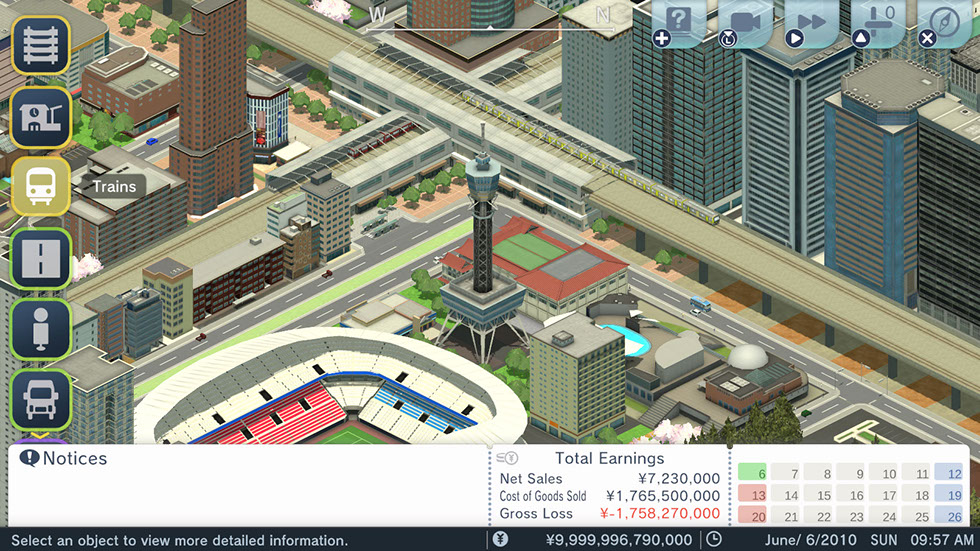
As president of your very own railroad company,
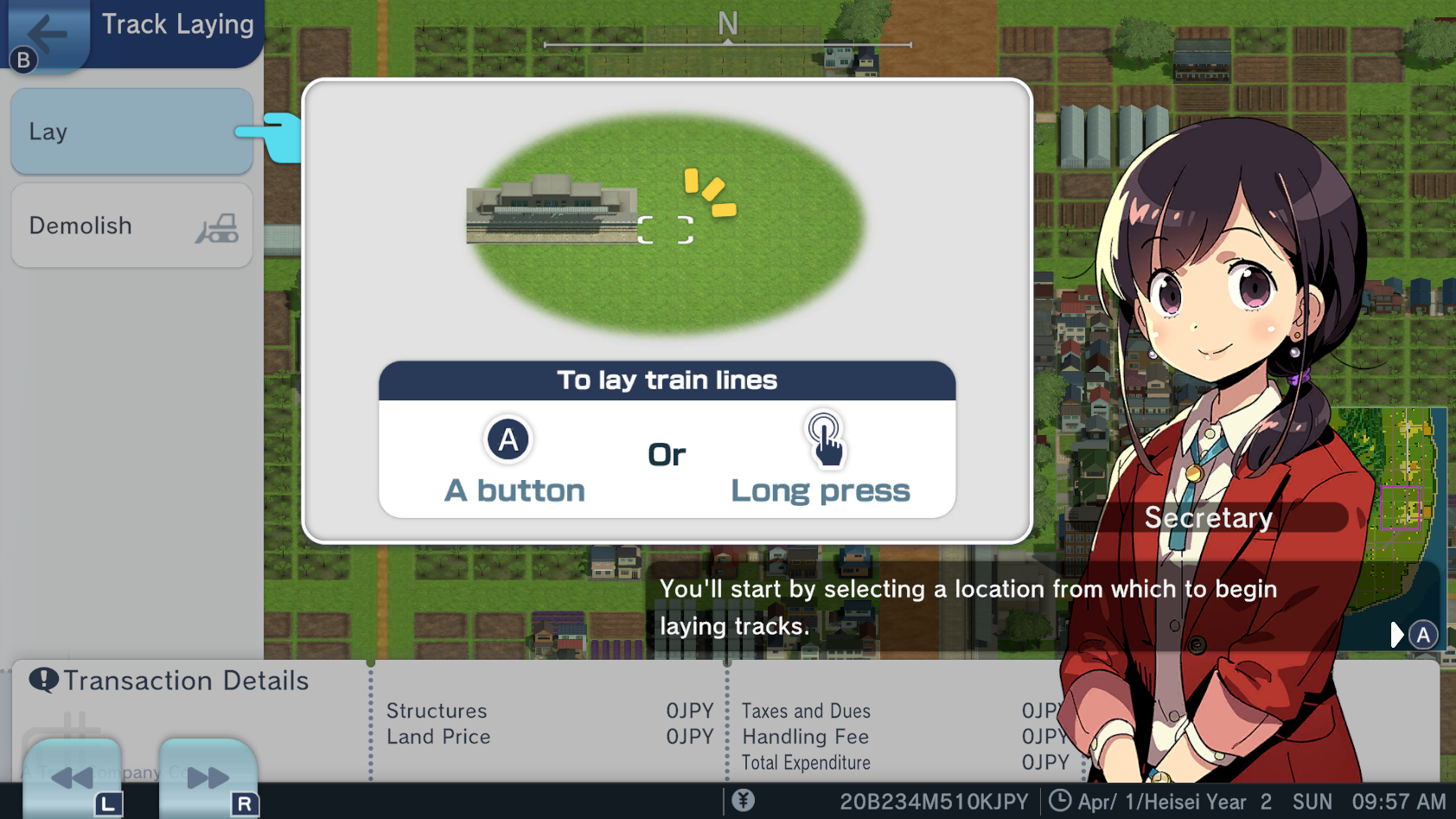
you are free to build stations and lay train lines as you see fit.
What kind of railroad will you create? How will you develop the town?
All these choices and more are yours to make.
However, as company president,
your job is about more than just developing the transportation network.
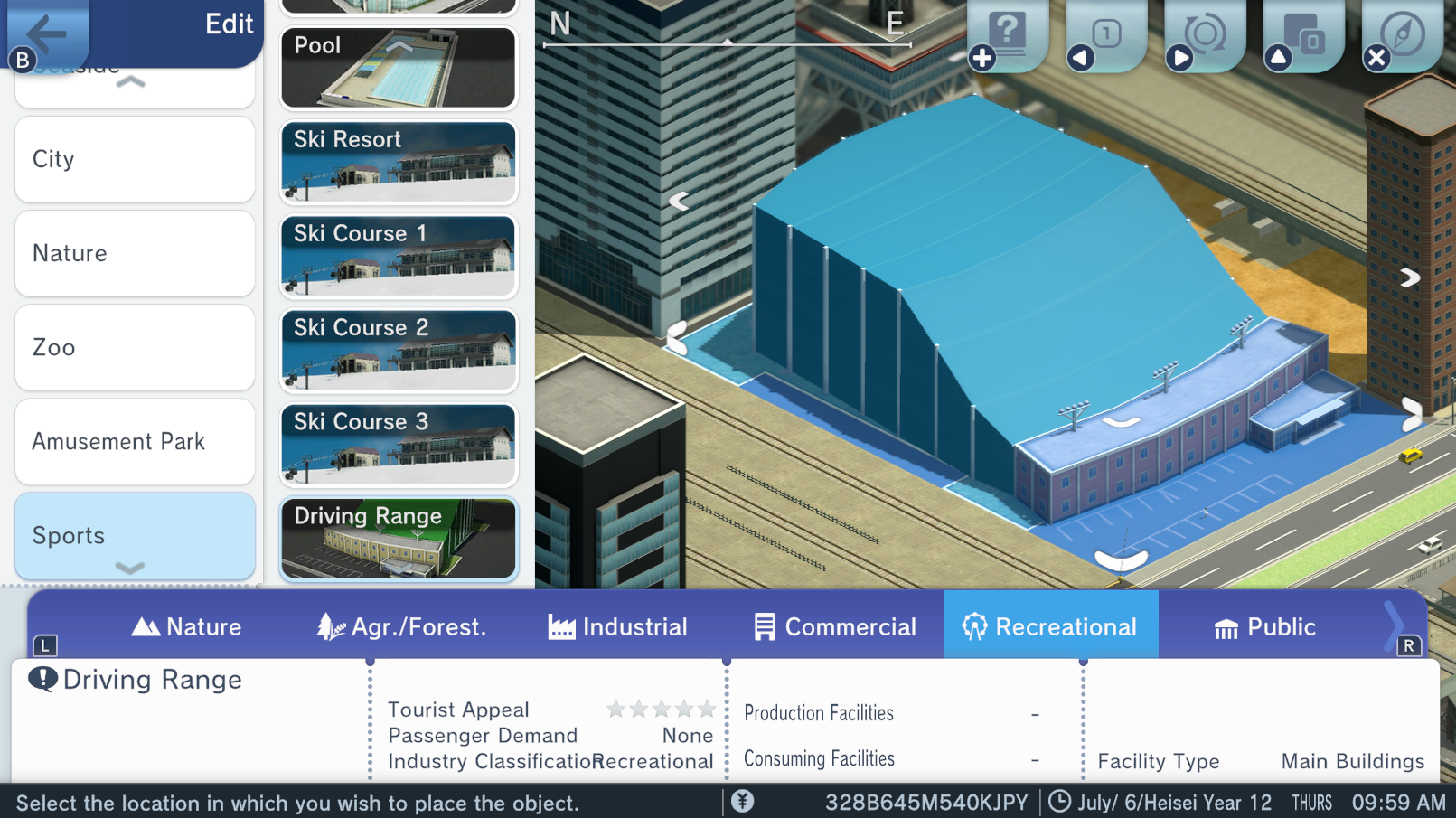
It's important that you decorate your town by establishing subsidiaries
and advertise your company to increase your brand power.
The bigger your company grows,
the more freedom you will have to develop the town,
bringing it ever closer to your ideal.
Domestika - Logo Design - From Concept To Prese... [top] File
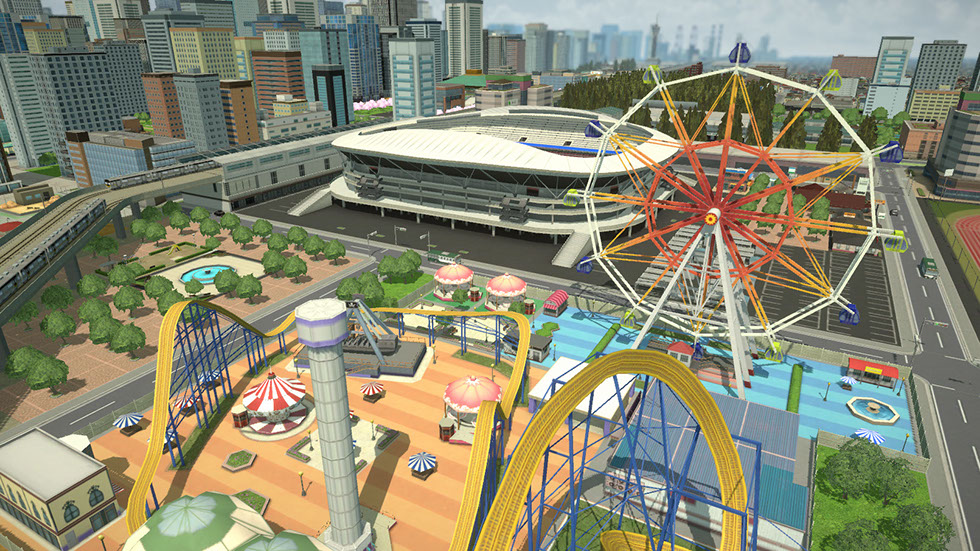
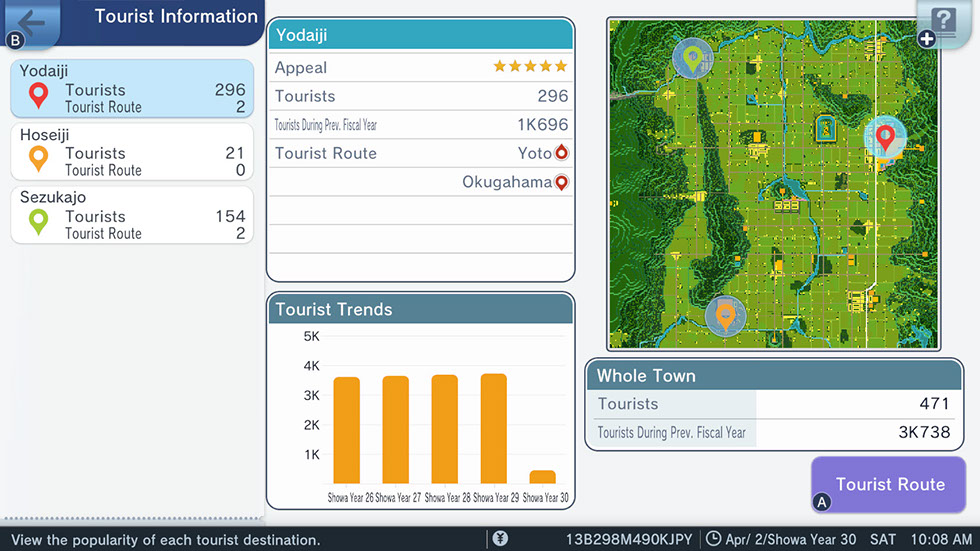
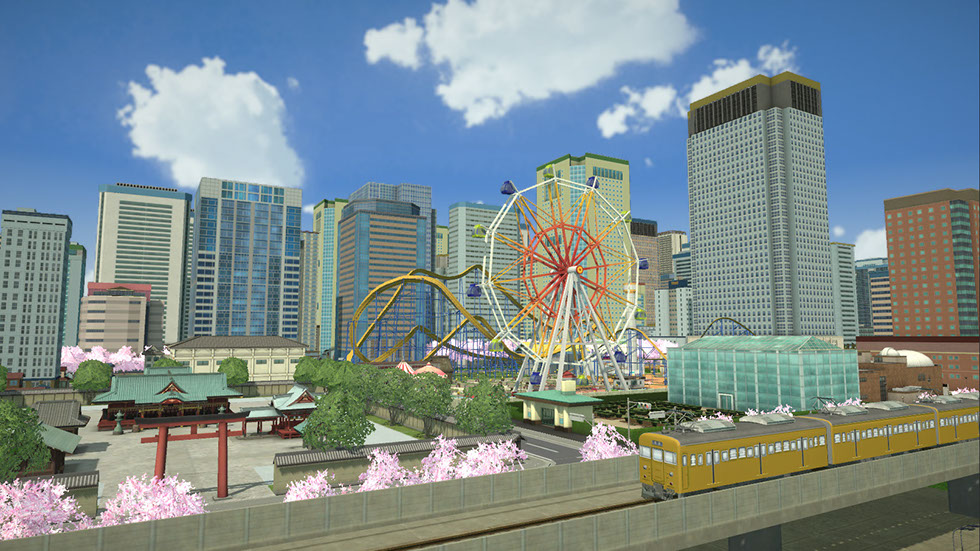
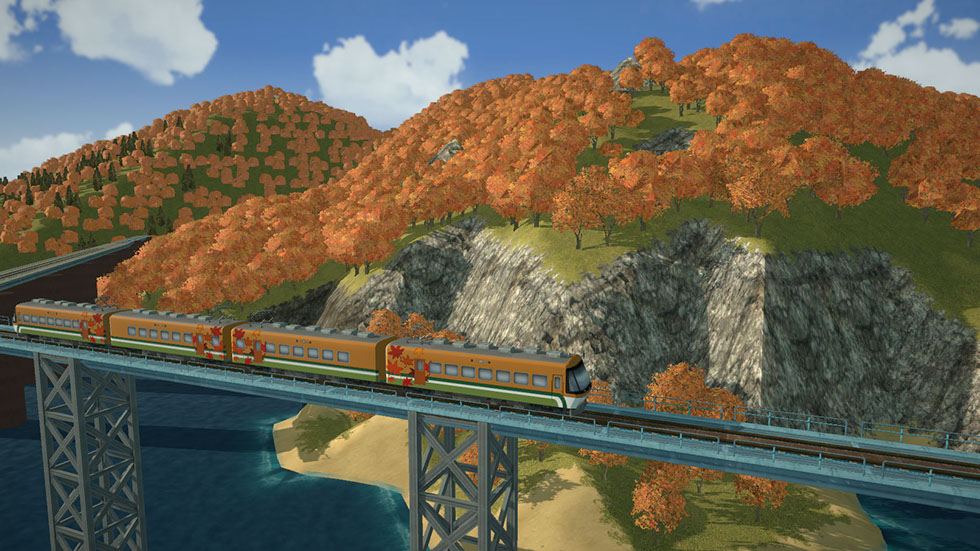
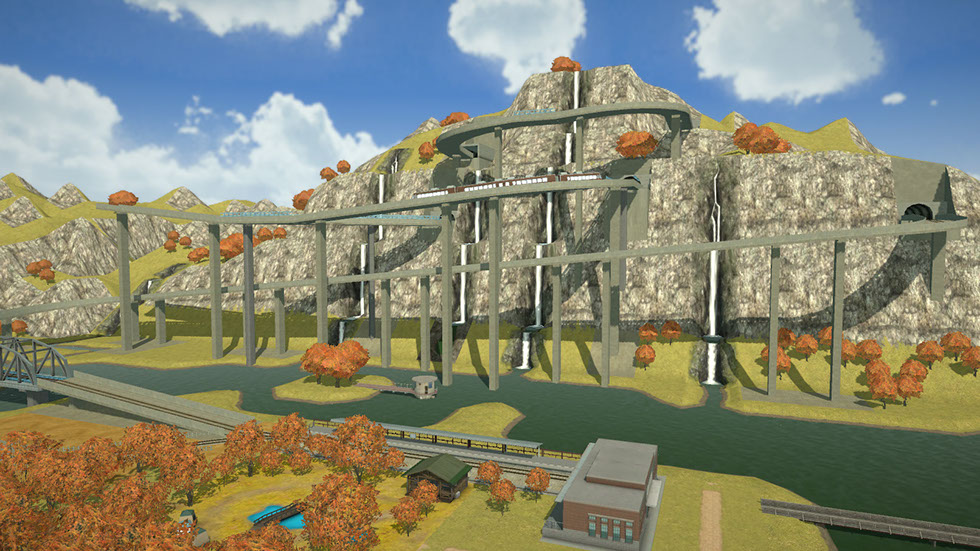
In each town, you will find a variety of tourist attractions,
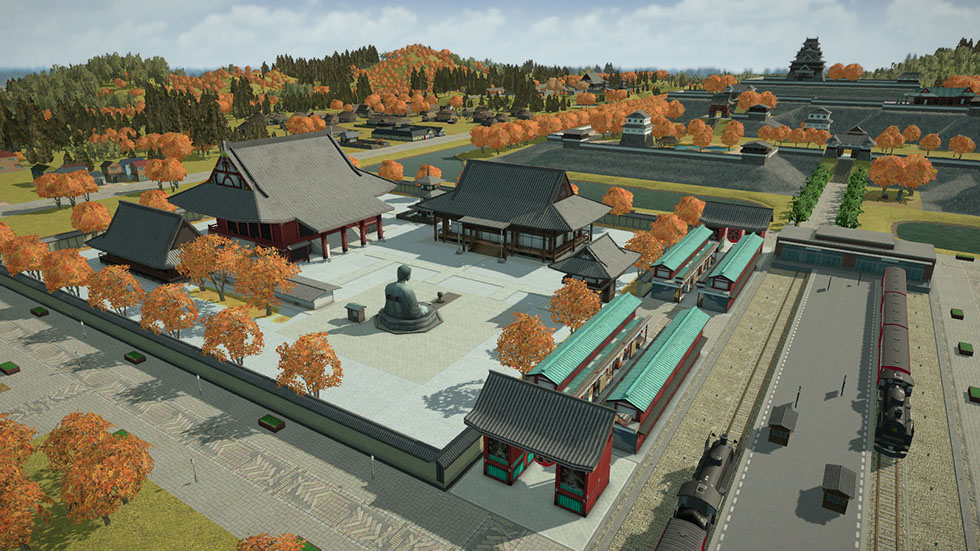
from idyllic hot spring districts to ancient historical castles.
There are many tourists who would love to visit these locations at least once.
However, whether these locations ever reach their full potential
depends entirely on your skill.
If a destination is difficult to reach, it will receive few visitors,
regardless of how stunning its sights may be.
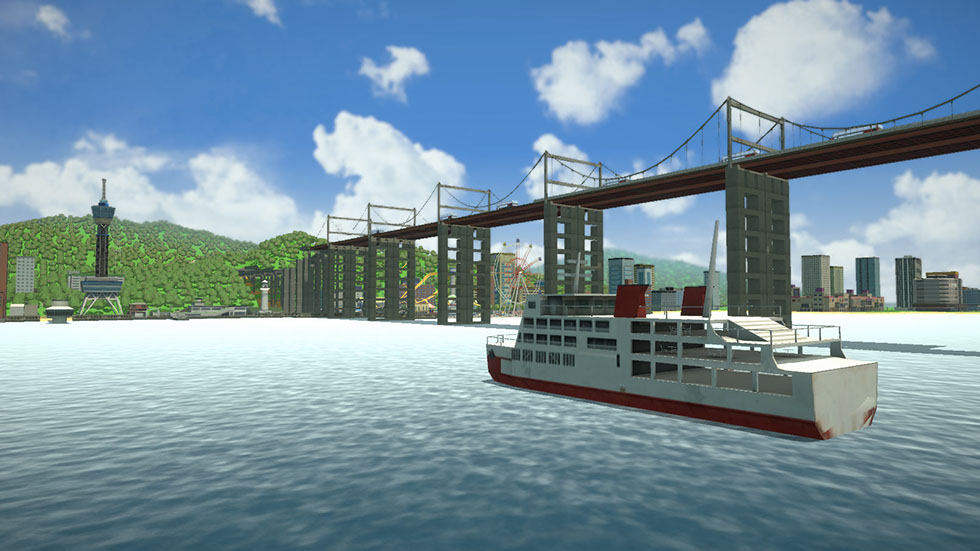
Use the railroad, bus lines, and even ferries to envision and enable enjoyable holidays.
Your success will surely be reflected in the number of tourists flocking to your town.
Domestika - Logo Design - From Concept To Prese... [top] File
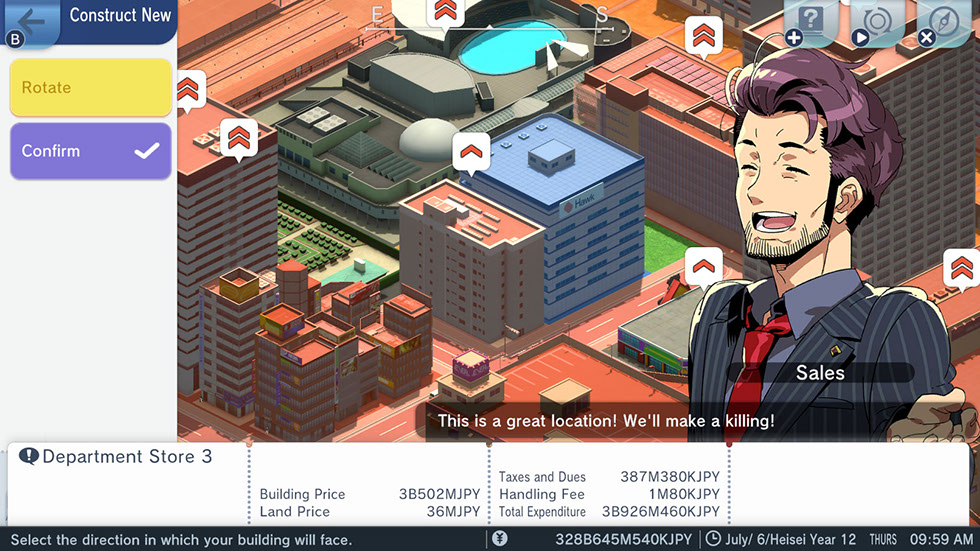
Any town you can envision is yours to create!
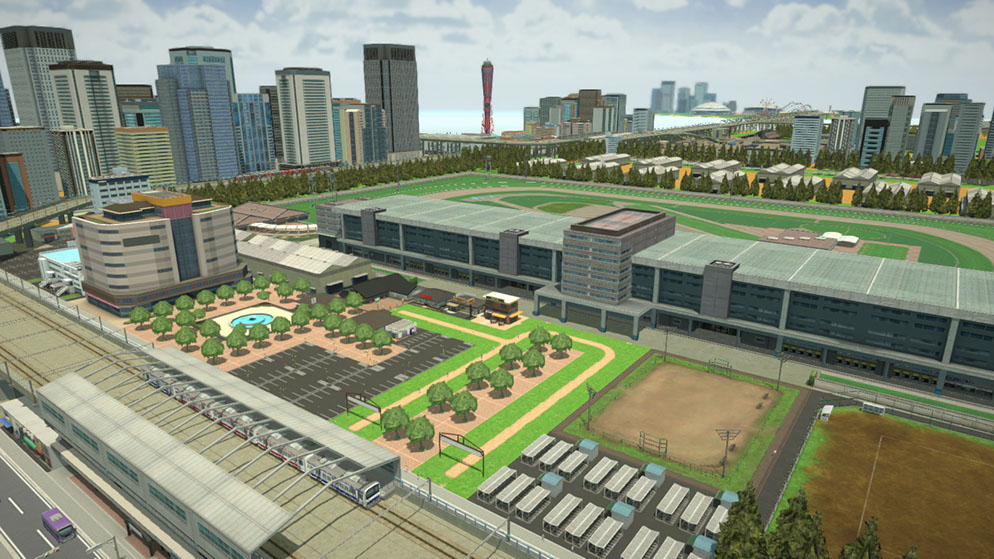
Do you want to see a highly developed metropolis?
Perhaps a quiet town, tucked away in the shadow of its beautiful tourist attractions?
How about a bustling city with a highly efficient transportation network?
You decide the town's future.
This story is yours, told with the help of your friends and associates.
Now, it's time to get started on tourism planning
and begin working towards your ideal city!
: The final graphic must match the psychological energy, focus, and strategic trajectory of the client's business. Phase 1: Decoding the Client and Deconstructing the Brief
The instructor warns: "If you don't tell the client how to use the logo, they will misuse it."
: Sagi Haviv, a New York-based designer who has worked on visual identities for brands like the US Open, Harvard University Press, and Conservation International.
Dietary habits are deeply tied to culture. A vast number of Indians are lacto-vegetarian due to the Jain and Hindu principle of Ahimsa (non-violence). The traditional way of eating—sitting on the floor, eating with the right hand, and using a banana leaf as a plate in the south—is not just about food but about mindfulness, grounding the body, and engaging all five senses. Modernity has introduced fast food and global cuisine, yet the tiffin system (dabbawalas delivering home-cooked lunches to office workers in Mumbai) survives as a testament to the Indian preference for fresh, home-cooked meals over processed substitutes.