Kannada Lovers Forced To Have Sex Clear Audio 10 Mins Patched Instant

UNINET® has developed a series of software packages to enhance your IColor printing experience. The IColor® TransferRIP and ProRIP and ProRIP Essentials packages make it simple to produce spot color overprint and underprint in one pass. The Absolute White RIP helps you use an Absolute White Toner Cartridge in a converted CMYK printer, and create 2 pass prints with color and white. The IColor® SmartCUT suite allows your A4/Letter sized printer to produce tabloid or larger sized transfers! Use one or more with the IColor® 500, 600 and 800 series of transfer printers.
Use the IColor® ProRIP software to print white as an underprint or overprint in one pass.
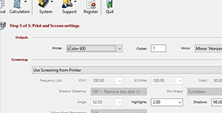
This professional version is designed for higher volume printing with an all new interface. Design files can be printed directly from your favorite graphics program, as well as imported directly into IColor® ProRIP. This public link is valid for 7 days
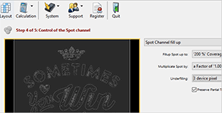
The IColor® ProRIP software allows the user to control the spot white channel feature. Three cartridge configurations are available: Spot color overprinting, where white is needed as a top color for textiles; Spot color underprinting for printing on dark or transparent media where white is needed as a background color and standard CMYK printing where a spot color is not needed. No need to create additional graphics with different color configurations – the software does it all – and in one pass! Enhance the brilliance of any graphic with white behind color! Can’t copy the link right now
Compatible with Microsoft Windows® 8 / 10 / 11 (x32 & x64) only. “It’s just a language
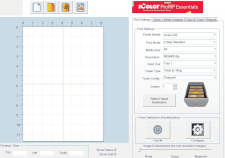
A simplified version of ProRIP which includes all of the most commonly used features of ProRIP with an easy to use interface. This Essentials version simplifies the printing process and allows the user to print efficiently and quickly without any training. All of the important and frequently used aspects of the software are included in this version, while all of the ‘never used’ or confusing aspects of the software are left out.
Comes standard with the IColor®540 and 560 models and is compatible with the IColor 550 as well.
Does not work with IColor 500, 600, 650 or 800 (yet).
Improvements over the ‘Standard’ ProRIP:
This public link is valid for 7 days and shares a thread, including any personal information you added. This link or copies made by others cannot be deleted. If you share with third parties, their policies apply. Can’t copy the link right now. Try again later.
In the context of Karnataka’s rich heritage, romance is often portrayed through the lens of family values and societal expectations. Unlike Western narratives that prioritize individual choice from the outset, many beloved Kannada stories begin with a conflict of wills. This creates a tension that makes the eventual romantic payoff feel more earned to the local audience. The "Forced to Love" Trope in Sandalwood
In a more traditional vein, (2021) follows Vaidehi, an adopted girl who is forced to marry the fiancé of her sister Urmila after Urmila runs away to pursue her acting career. The dramatic irony is that the reluctant couple gradually starts to like each other, only for Urmila to return and claim her place, throwing their lives into turmoil.
When Ajji had a mild stroke, she used her frailest voice to issue a command: “Ananya, you will marry Surya. He is the son of my oldest friend. If you want to see me happy before I die, you will do this.”
Historically, mainstream Kannada cinema utilized specific tropes to spark romantic storylines. A hero would often pursue a reluctant heroine until she relented, a narrative structure common across many Indian film industries. This "persistent lover" trope was frequently framed as ultimate devotion.
Here is a deep dive into how Kannada cinema’s romantic storylines have evolved from forced dynamics to genuine emotional connections. The Era of Forced Proximity and Reluctant Romance
Stories often begin with intense hostility, where the male lead uses his social or financial power to control the female lead before "winning" her heart.
The first week was a disaster. Surya scolded her for pronouncing “Beṇṇe” (butter) as “Ben-ne” (a different, embarrassing word). Ananya threw a notebook at his head and screamed in English, “It’s just a language, not a religion!”
This public link is valid for 7 days and shares a thread, including any personal information you added. This link or copies made by others cannot be deleted. If you share with third parties, their policies apply. Can’t copy the link right now. Try again later.
In the context of Karnataka’s rich heritage, romance is often portrayed through the lens of family values and societal expectations. Unlike Western narratives that prioritize individual choice from the outset, many beloved Kannada stories begin with a conflict of wills. This creates a tension that makes the eventual romantic payoff feel more earned to the local audience. The "Forced to Love" Trope in Sandalwood
In a more traditional vein, (2021) follows Vaidehi, an adopted girl who is forced to marry the fiancé of her sister Urmila after Urmila runs away to pursue her acting career. The dramatic irony is that the reluctant couple gradually starts to like each other, only for Urmila to return and claim her place, throwing their lives into turmoil.
When Ajji had a mild stroke, she used her frailest voice to issue a command: “Ananya, you will marry Surya. He is the son of my oldest friend. If you want to see me happy before I die, you will do this.”
Historically, mainstream Kannada cinema utilized specific tropes to spark romantic storylines. A hero would often pursue a reluctant heroine until she relented, a narrative structure common across many Indian film industries. This "persistent lover" trope was frequently framed as ultimate devotion.
Here is a deep dive into how Kannada cinema’s romantic storylines have evolved from forced dynamics to genuine emotional connections. The Era of Forced Proximity and Reluctant Romance
Stories often begin with intense hostility, where the male lead uses his social or financial power to control the female lead before "winning" her heart.
The first week was a disaster. Surya scolded her for pronouncing “Beṇṇe” (butter) as “Ben-ne” (a different, embarrassing word). Ananya threw a notebook at his head and screamed in English, “It’s just a language, not a religion!”
Use the IColor® TransferRIP software to print white as an underprint or overprint in one pass.
Designed for every day, short to mid run use, the IColor® TransferRIP software allows the user to control the spot white channel feature. Two cartridge configurations are available: White overprint, where white is needed as a top color for textiles; and white underprint for printing on dark or transparent media where white is needed a round color. No need to create additional graphics with different color configurations – the software does it all – and in one pass! Enhance the brilliance of any graphic with white behind color!
Compatible with Microsoft Windows 7 / 8 / 10 (x32 & x64) only.